

2026 reads, so far
I have a deep hatred for David Foster Wallace

I haven’t been reading as much as I’ve wanted to. In my defense, in the first half of this year, I recovered from a surgery. I fell behind on my thesis writing schedule, so I had to sit in bed, wounds still healing, writing through scenes I’d needed more time to work on. Mentally, the recovery process took up a big part of my thoughts, so…
Point is, I wasn’t on my A game. I picked up books I’d wanted to finish, but couldn’t, because I got distracted. I’m going to include them in this list as well, because the books are lovely, it’s just my ADHD that wouldn’t let me sit still enough to finish them. I just won’t tell you which ones they are.
Citizen, Claudia Rankine
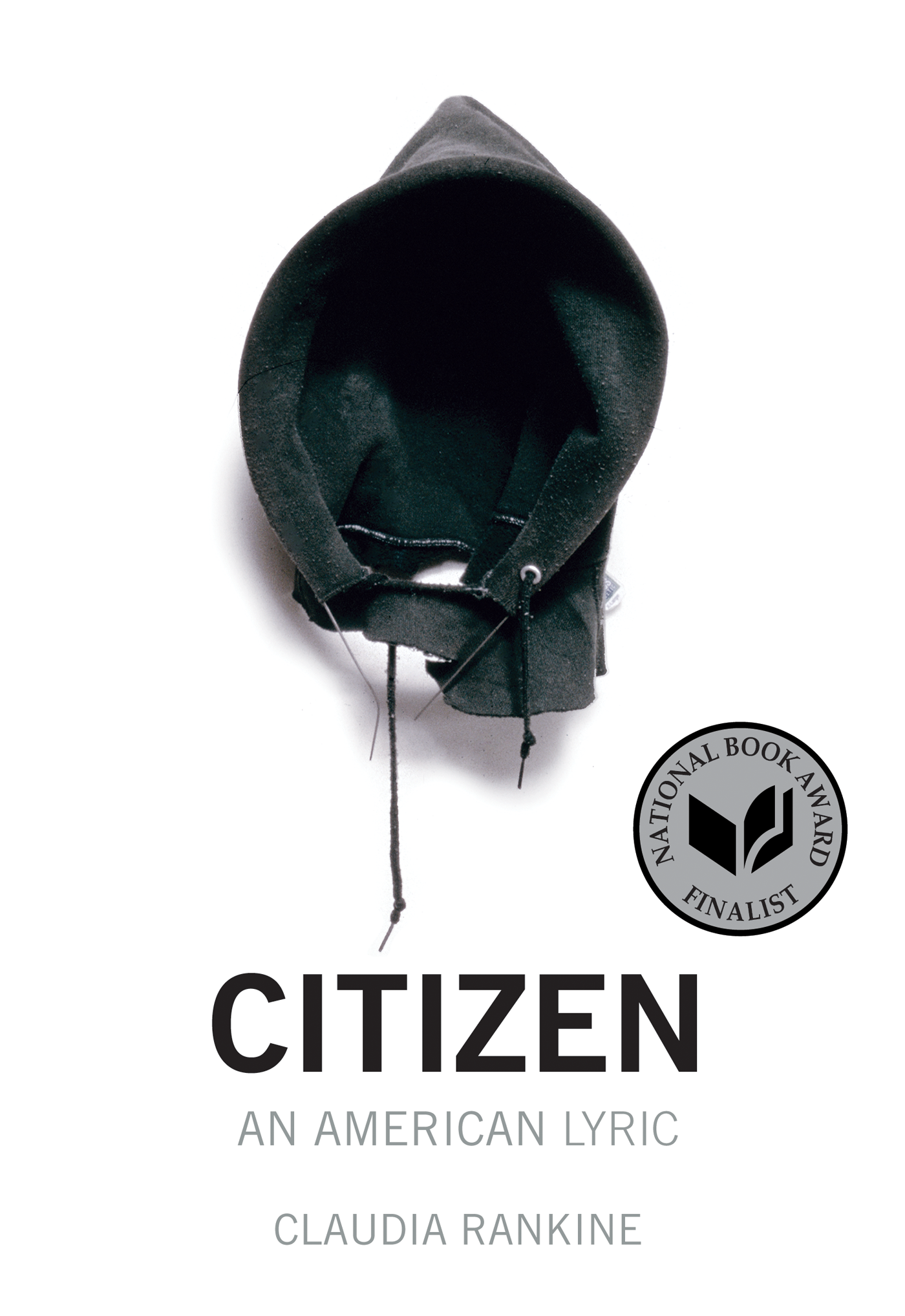
The visceral anger I felt as I flew through these pages was unreal.
This is a myriad of things at once: nonfiction, poetry, photographs, emotional excavation, and cultural commentary. It encapsulates America’s problems with race, both by detailing painful experiences of racism she’s faced, and issues Serena Williams, and Zinedine Zidane have faced. She is unflinching in her prose, and the gaslighting being done to her is painful to read, and resonate with.
Small Rain, Garth Greenwell
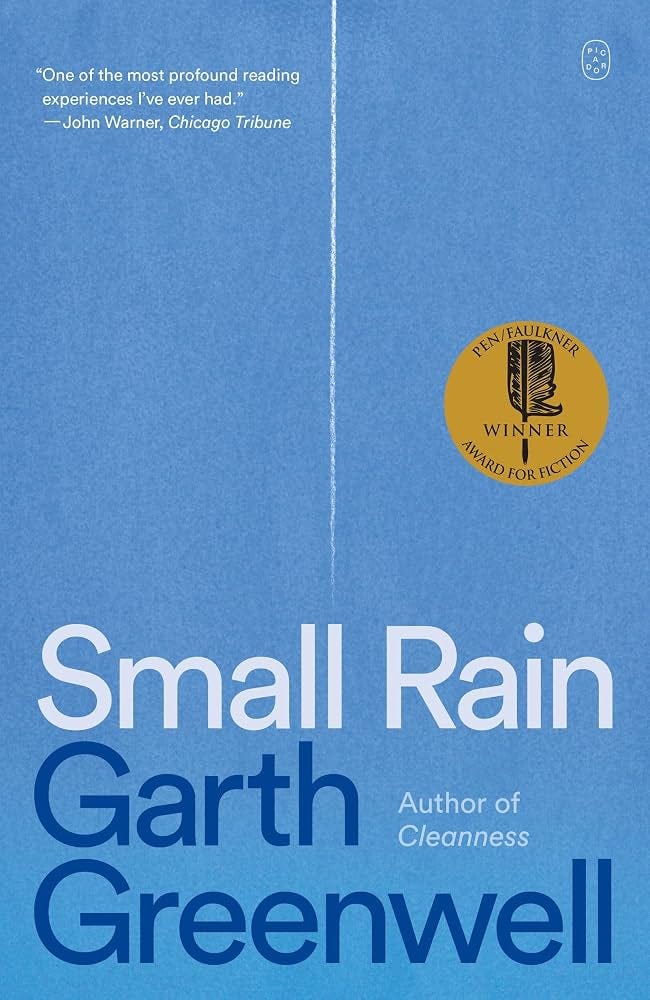
A poet suddenly falls ill, and takes us through the journey of his pain, as he moves from a waiting room, and into the ICU. He comments on the dysfunction of the American healthcare system, his feelings about how people around him react to his pain—in thorough detail.
A lot of people in my MFA program loved this book, so I assumed it was another fad. But, after my surgery, this was one of the things that helped me get back to my normal life again. I am thankful this book exists.
The Hour of the Star, Clarice Lispector
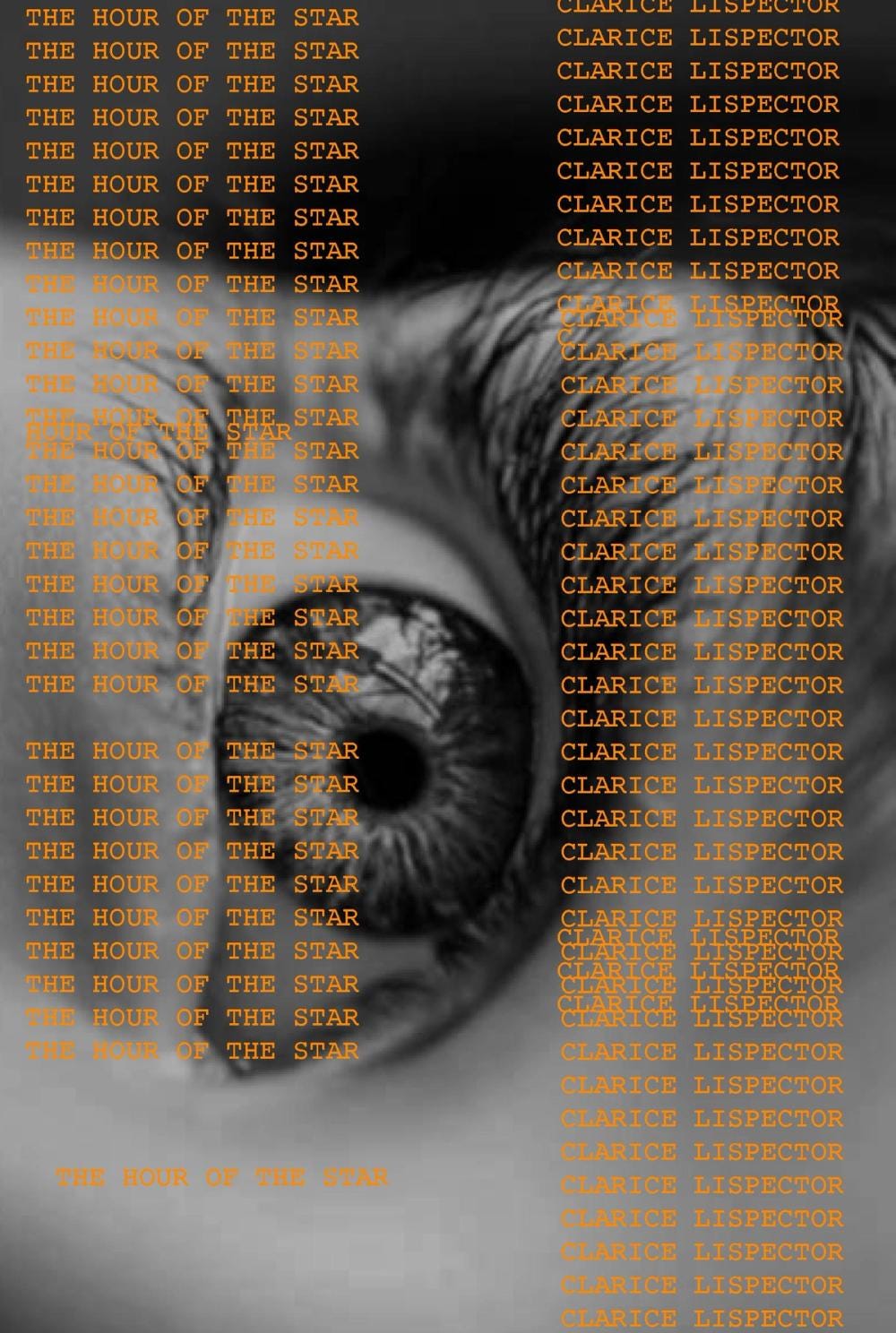
The narrator, Rodrigo, wields his pen to tell the story of a woman he both loves and pities, Macabea. This is a piece of psychological fiction—the narrator consistently intrudes upon the text to place his own analysis of Macabea—who he believes is ugly, unfortunate, and uneducated. But, he envies her—she is free in the way that she is not a part of the world as he is. But, she is not real. She is a character in a narrative Rodrigo has constructed. It’s very meta. If you want to read a book and feel thoroughly confused yet aware of everything that’s happened by the end of it—this is the book for you.
I'll Tell You When I'm Home: A Memoir, Hala Alyan
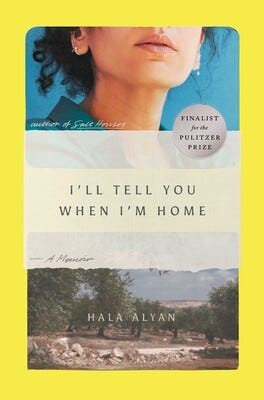
Here and there, I’ll read a book where the author’s voice sounds like my own. The narrator will process things as I do. While I have not lived Hala Alyan’s life, I see a lot of my own emotions and experiences in her pages. This book explores her marital struggles, her miscarriages, and her choosing to have a child via surrogacy, as well as what it feels like to grow up in America, after leaving the places and people you knew to be home.
I Who Have Never Known Men, Jacqueline Harpman
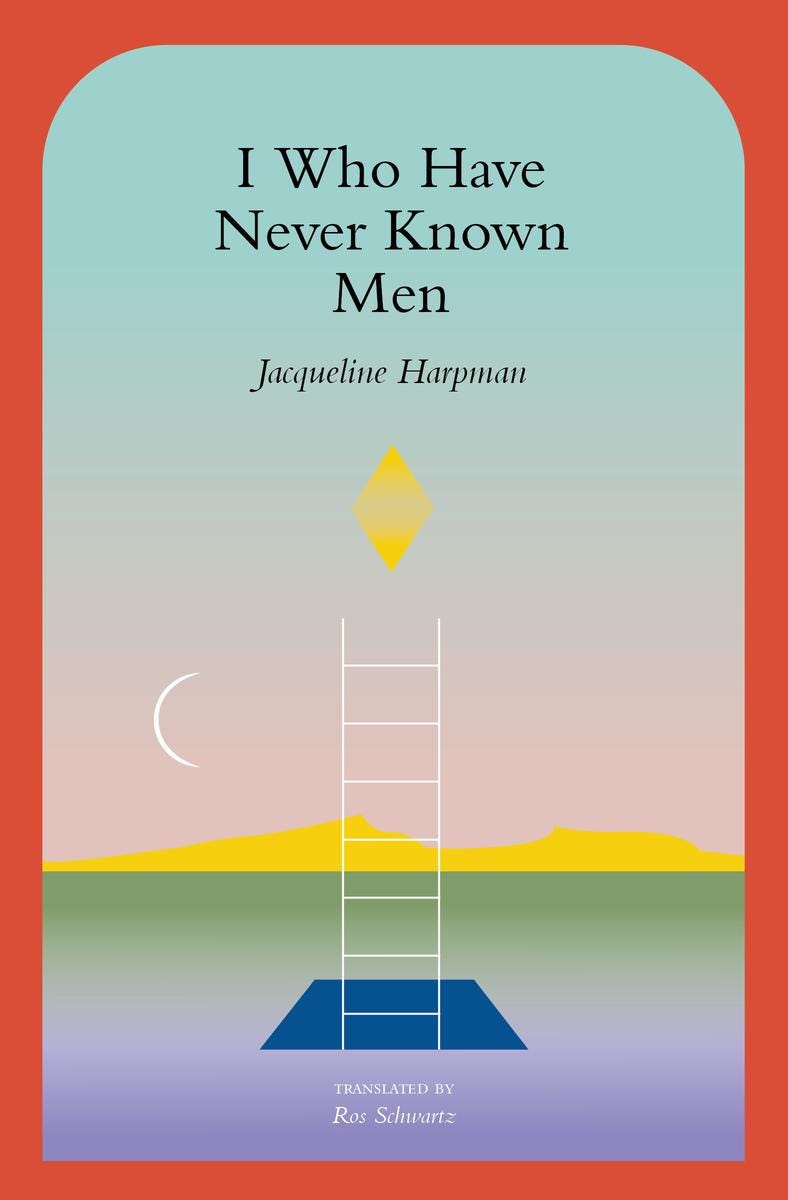
40 women are imprisoned in an underground bunker. The narrator, unnamed and younger than the rest, does not know anything about men like the other women do. But she is curious, and she begins to start counting her heartbeats, in an attempt to tell time. I don’t want to give more away—but essentially, I think this book questions what it means to be human, what it means to love, and to feel.
Something To Do With Paying Attention, David Foster Wallace
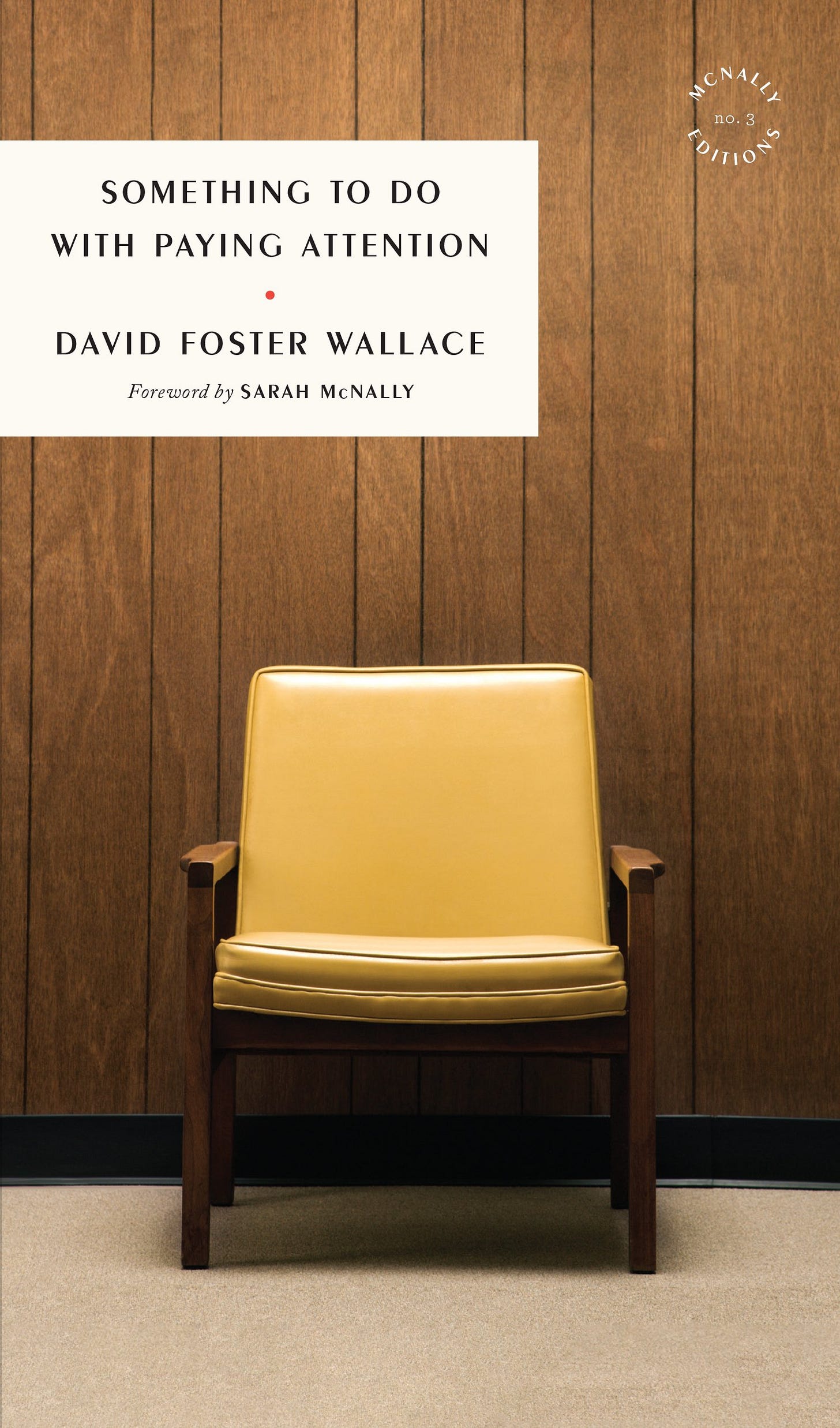
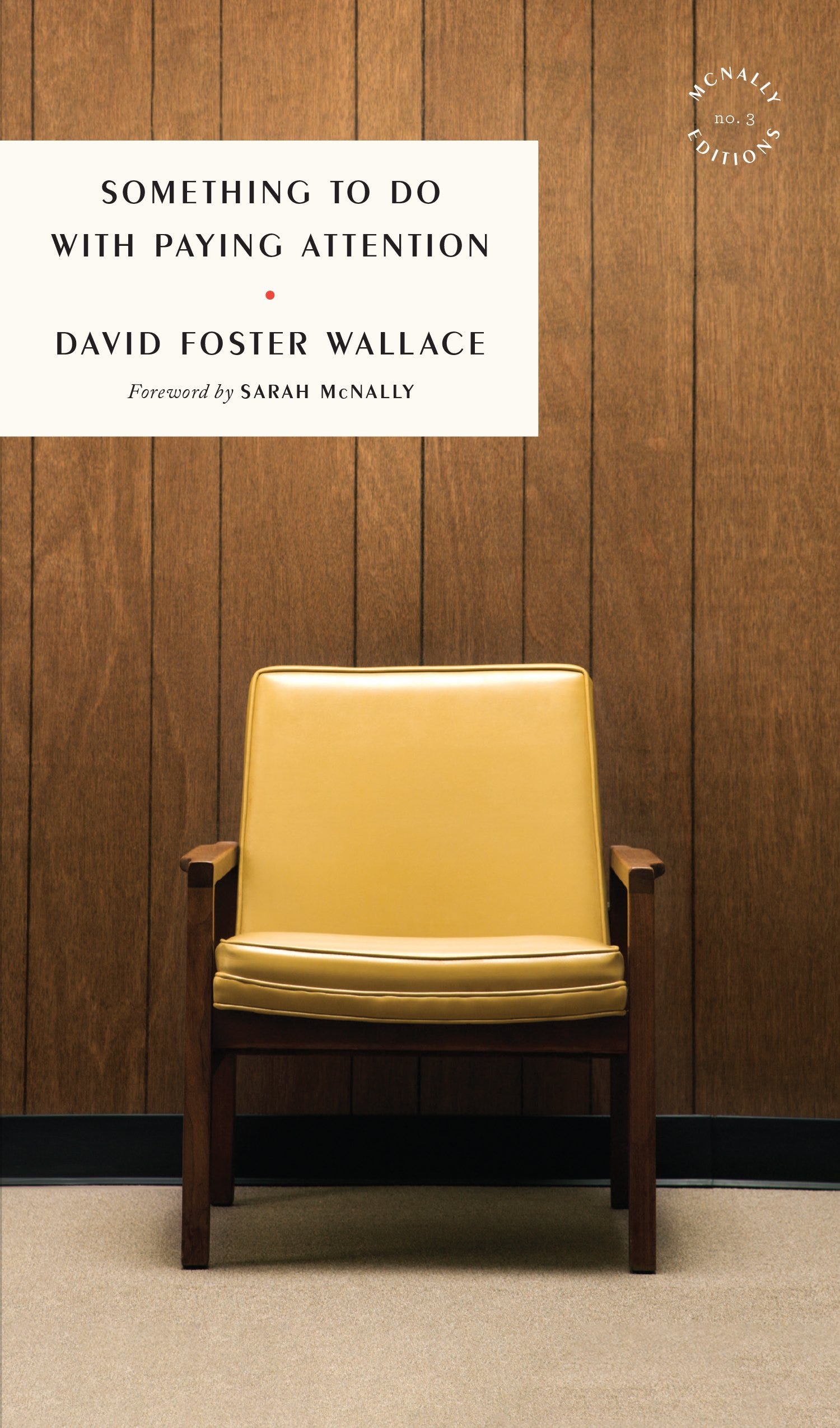
I want to preface this by saying: I have a deep hatred for David Foster Wallace. He’s the kid in your class that’ll ramble on and on and on, and you’ll get pissed off at how annoying he is, but you’ll have to oblige when he does say things that are more intelligent than you want to give him credit for. This is how I feel about most of his work.
This is a novella from The Pale King, and it follows the journey of our narrator who feels like a “wastoid”, and much of this is because of how his father makes him feel about himself, but mainly because of his—I’m assuming—attention deficit disorder. He goes into the ways he is hyper-observant of how his parents parented him, and of their divorce, or of his father’s death, which he saw with his own two eyes. I also loved how much Chicago is an emotional landscape throughout the novel—I saw myself on the CTA as he moved from place to place.
Towards the end of the novella, he talks about the IRS and taxes a lot—which, after working with accountants at a toxic corporation, made me lose interest. But I suppose The Pale King goes more into that, and as always, Wallace’s commentary on America. Overall, I don’t regret reading this book…? I’m not sure if I’d recommend it, but I read it, I guess.
Can’t We Talk About Something More Pleasant?, Roz Chast
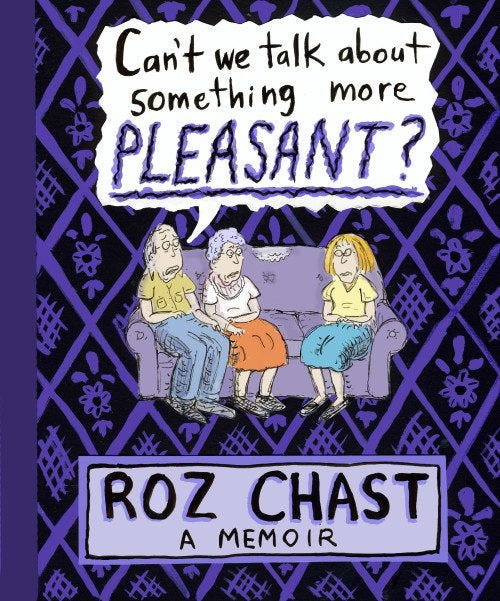
A New Yorker cartoonist chronicles the process of the end of her parents’ life. One thing I admired in this graphic novel-memoir was how much dark humor was in it. It really made me forget, at points, what was happening, because the things she described her parents to be saying and doing were so ridiculous—but also extremely relatable, as a child to immigrants, myself.
Mrs. Bridge, Evan S. Connell
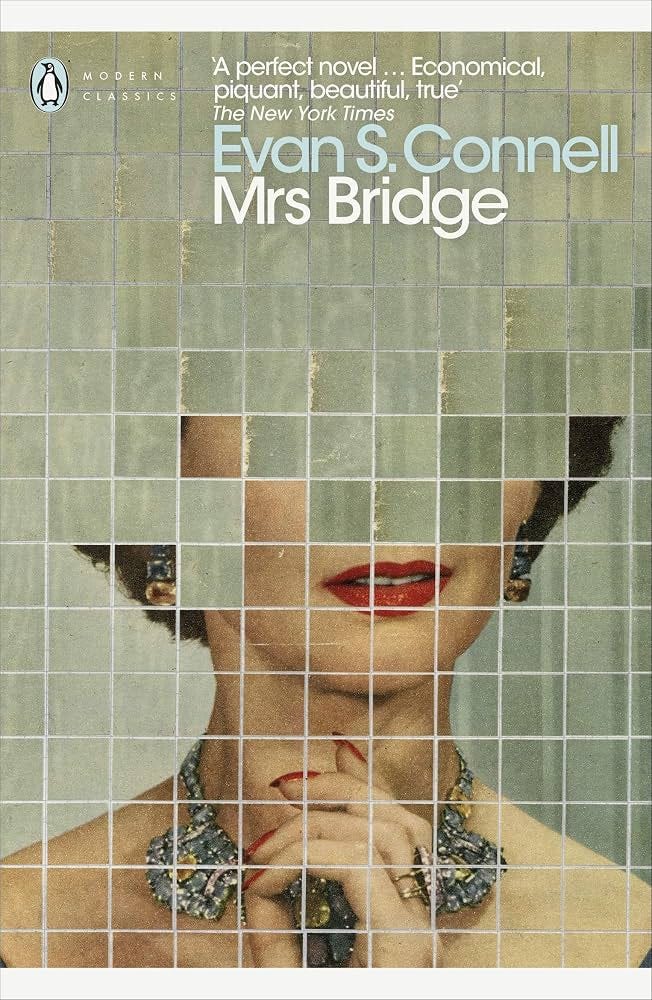
I read this book for class, but I really liked it. It follows the life of India Bridge, as she meets her husband, has children, and lives in the suburbs of Kansas City. She is aware of her stifling life, but also unaware of how she, herself, is complicit in the things that hold her back. There’s a perpetual tension in the book as she os unable to gain agency over herself: some of it is circumstantial, but some of it is her upholding patriarchal, cultural standards that she doesn’t benefit from.
The Art of Fiction, John Gardner
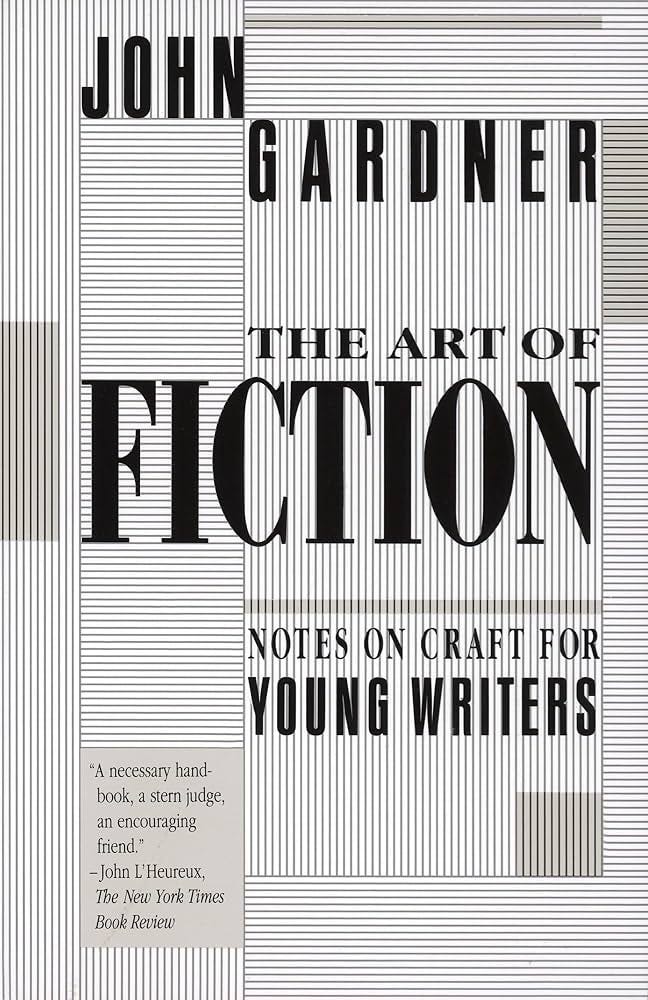
A reread. Not much to say about it, other than the fact that its a book about craft.
The Quran, Oxford World’s Classics
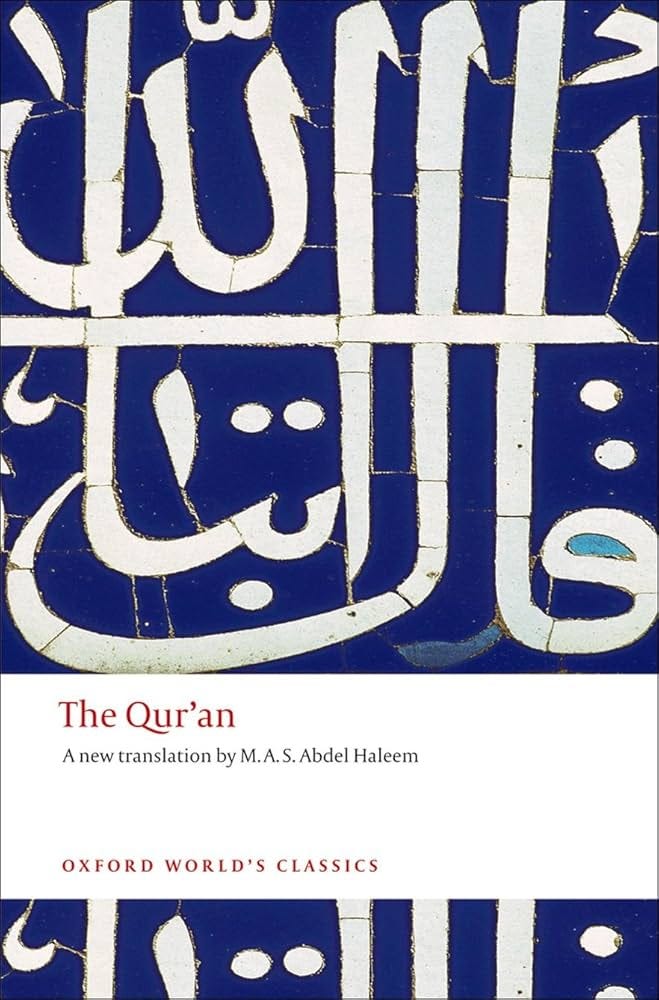
This was for my lecture where we studied Abrahamic faiths. The central question of the class was: who benefits from the mistranslation of these (Old Testament, New Testament, The Quran) texts? Who benefits from monotheism?
The approach to the class was intended to be text based. But, we had a couple of individuals that took the faith based approach.
One such person (a Devout Christian) said, when my professor asked, “What is The Quran?”
“Fiction.”
I replied, “I beg your unbelievable fucking pardon?”
Professor said, “By that logic, The Old Testament is fiction! The New Testament is fiction! It’s all fiction! Don’t single one out!”
Books I want to read:
Daughter, Claudia Dey
One Day, Everyone Will Have Been Against This, Omar El Akkad
I Never Promised You A Rose Garden, Joanne Greenberg
Grief is the Thing With Feathers, Max Porter
The Will To Change, bell hooks
Trauma Plot, Jamie Hood
Freud and the Non-European, Edward W. Said
A Mask The Color of the Sky, Bassem Khandaqji
Outline, Rachel Cusk
Your Silence Will Not Protect You, Audre Lorde
Writers & Lovers, Lily King
The Möbius Book, Catherine Lacey
There’s a lot more—I just can’t remember them all, right now.
If you have recommendations, please send them my way!