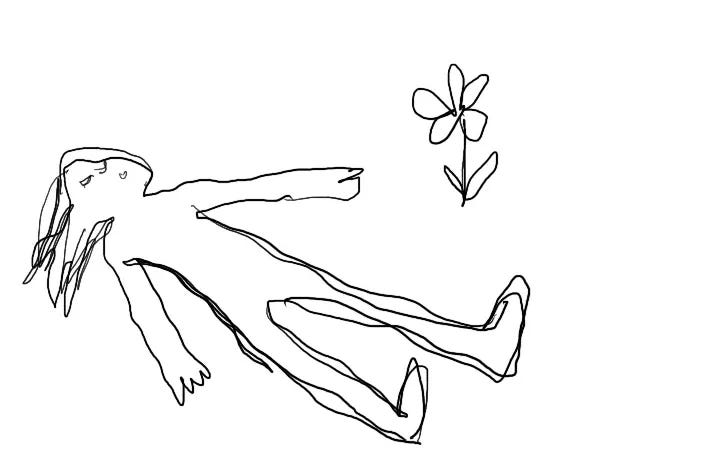
writer's mania
the opposite of writer's block

Two days after I posted about having writer’s block, I suddenly found myself inhibiting the complete antithesis of that state—writer’s mania.
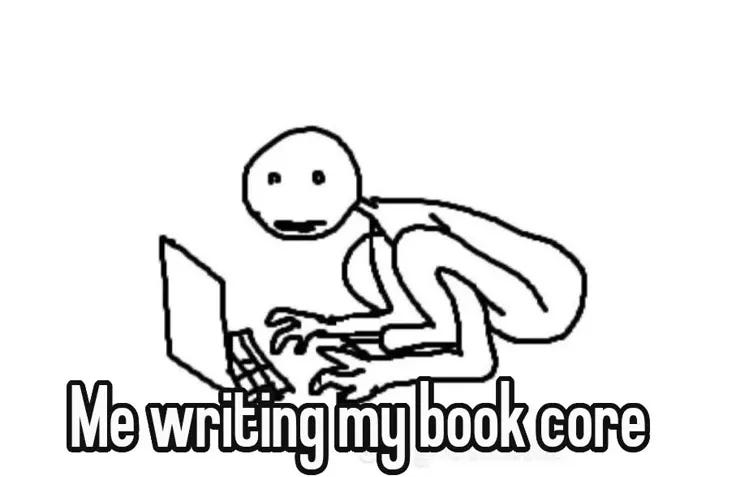
I sat in one spot for hours on end, hunched over in bed, songs on blast, forgetting to eat, blending my brain into the keys of my laptop, fucking up my back—that still hurts—but essentially, writing on pure adrenaline and the sudden clarity that I’d been looking for, for the last two years.
I know what my novel is—but there are a lot of complicated strings to weave together. There are moments where lines blur, to destabilize. The genre isn’t always one thing. It’s psychological, metafictional, and subjective.
When I first started writing it, I found myself wanting to be the omniscient author who knew what was happening at every point within the emotional arcs of these characters. I thought myself of the novel’s God, yielding a pen, making all the decisions. But for the first year, I hadn’t developed the narrator’s voice. It just seemed like a bunch of things that were happening, as though I were writing story beats for a screenplay.
This was definitely a trauma response—because my peers had deemed my narrator not credible, I felt the need to exercise complete creative control.
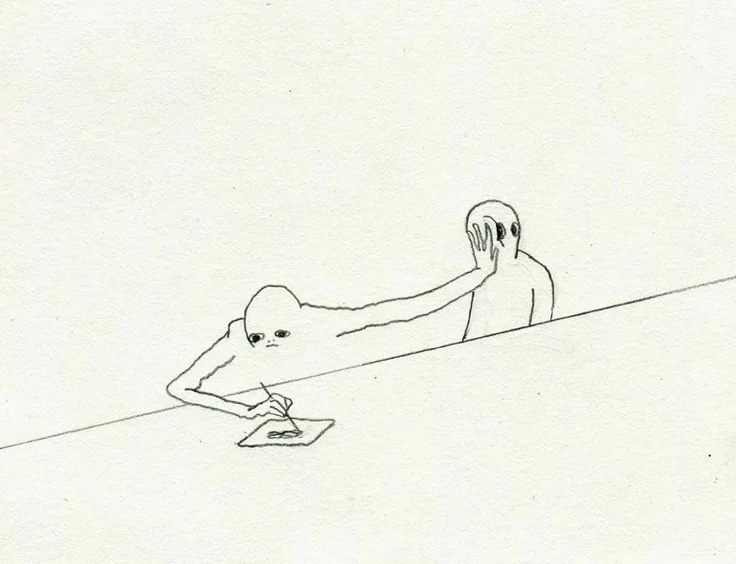
And while this might not make a lot of sense—I found the raison d’etre of the story when I’d stopped thinking about it with as much depth as I had been, and instead landed upon it when I started giving into the narrator’s ambiguity. I let her take the reins. I needed to sit down and listen to her.
It unlocked something in my brain.
I entered a headspace of not knowing when to stop.
After eight hours, I looked at the eight thousand words I’d written—and it looked—surprisingly coherent. Obviously, it will be edited over and over until I am completely satisfied, but.
And when I’d rambled to my best friend about how I’d figured it out, she told me she was very proud of me and that it was time to turn off my brain.
That was a very intense bout of writing. It’s led me into the endgame of the novel.
I see the trajectory now.
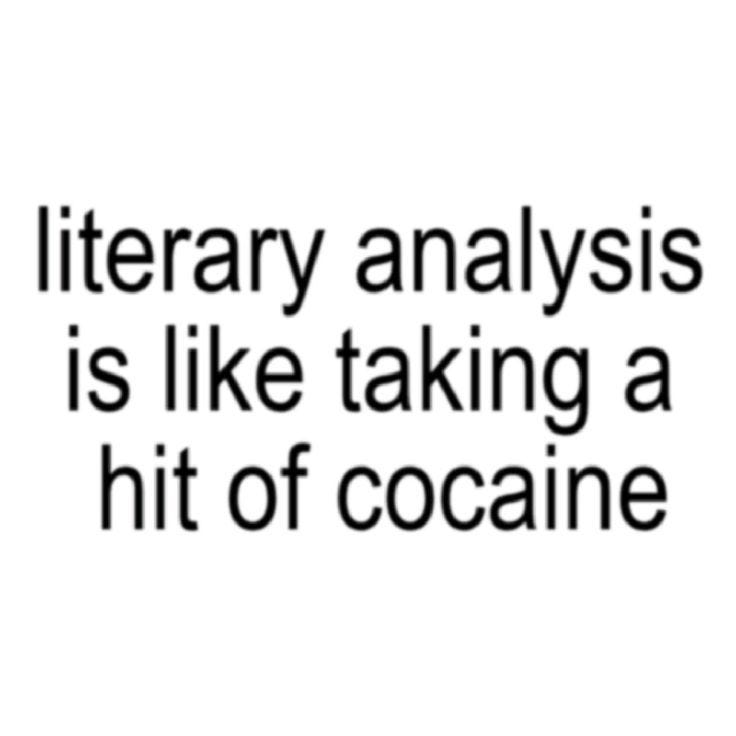
But in the moment of writer’s mania, I felt like I’d done a lot of drugs. I mean, as my ADHD brain works—a huge hit of dopamine would feel like a high, but with the high, comes the low. After I’d turned my brain off, my body was jittery, and still hyper vigilant.
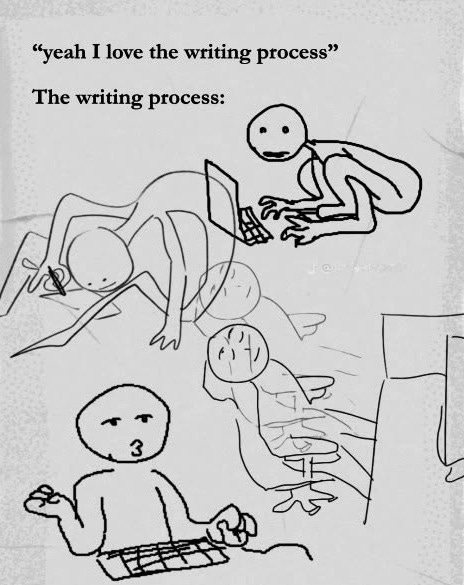
The come down was horrible. I was nauseous, my head spun, my eyes burned, and my mom looked at me as though she’d seen a ghost when I sat down next to her to watch the France versus Spain game.
Even as I watched Mbappé lose, I was thinking of stray details to weave into my manuscript, that I’d missed during my first pass at a scene. My hands ached, so I spoke into my phone, letting the voice to text feature take over.
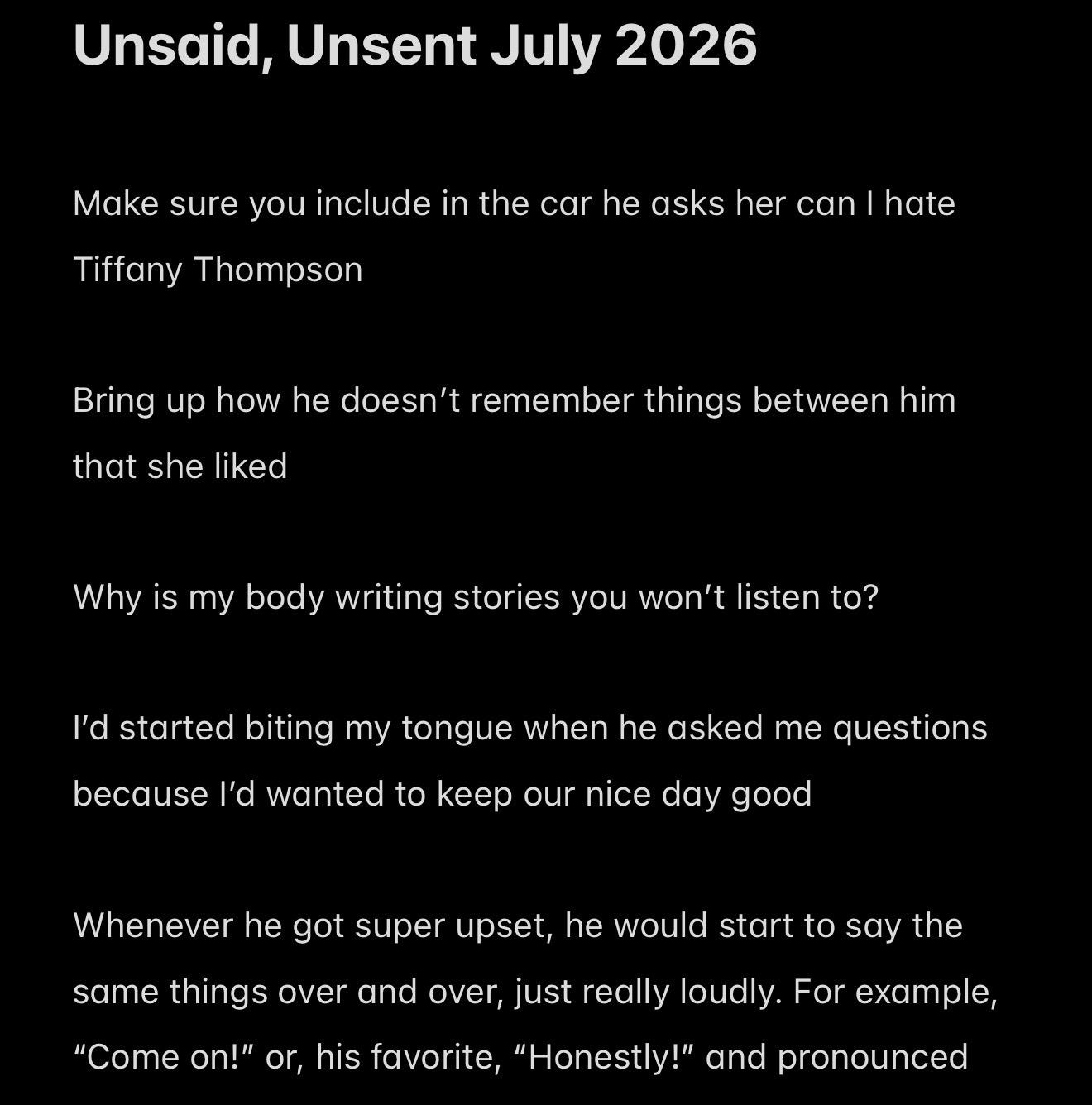
A day after I’d written these scenes—microaggressions that lead up to an disorienting, manipulative, coercive argument—the dynamics of which were very psychologically intense—I’d listened to cigarette smoke, by Olivia Rodrigo, clenching my fists, shutting my eyes, shaking—a bodily response that hasn’t happened in over a year. My former therapist had told me it was my body’s way of releasing unprocessed anger—and I wonder if that’s what it was—finally putting into words what three years ago me couldn’t feel.
Because of how the novel came to be, originally, I didn’t find a lot of enjoyment in the process. I saw peers running Bookstagram accounts, posting word count updates, and celebrating when they’d finally finished a first draft.
I, in comparison, have stayed pretty silent about the writing process, afraid of who was watching, afraid of not being believable, afraid of a whole bunch of things that don’t really matter.
Now that I’m nearing the end, I’m sort of mourning the process. I wished I’d taken more time, but I also understand that the novel happened because it was made in this sort of pressure cooker atmosphere—
Now I’m reading books that could better shape my perspective, so I can be a sort of guide to the narrator’s journey—and I don’t know if anything I’ve said makes any sense, but I explained it all to my therapist today, and she said:
“How far you’ve come.”
I needed to hear that.